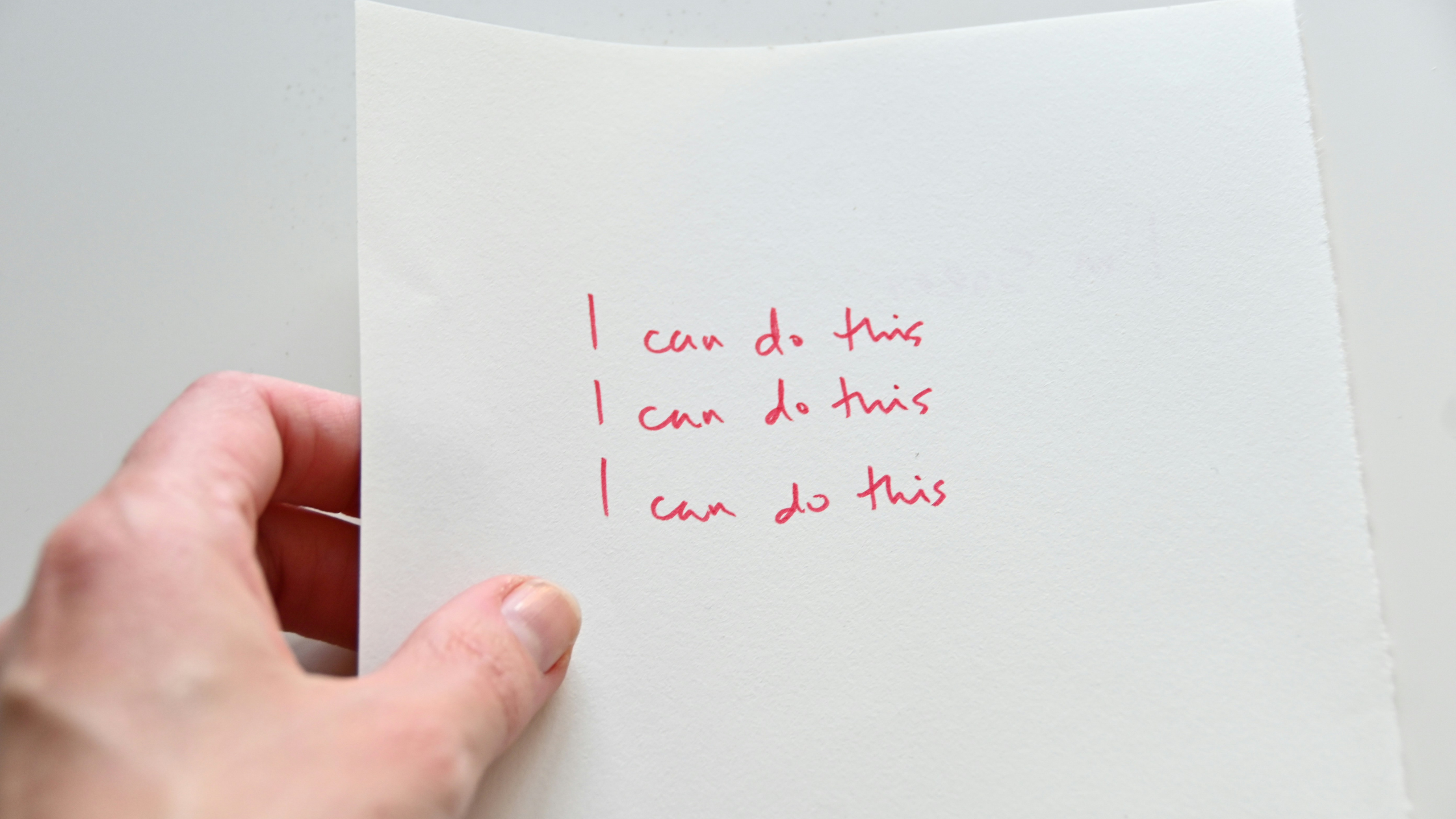

“One unexpected hit, and your whole plan goes out the window.”
You created the budget. You were paying off debt. You even started a little emergency fund. And then — something happened. Maybe it was a surprise expense, a freelance dry spell, an emotional purchase after a hard week. Suddenly, you’re off course. Again.
That sinking feeling — shame, panic, regret, avoidance — is all too familiar. It can feel like months of progress just vanished. But here’s the truth: setbacks aren’t the opposite of progress. They’re part of it.
This guide is for when you’ve hit a bump in the road and need help navigating your way back without spiralling. We’ll cover the emotional and practical sides of financial recovery — from mindset shifts to micro-steps that build momentum.
What a Financial Setback Actually Looks Like
Financial setbacks don’t have to mean bankruptcy or losing your job (though those count too). Sometimes it’s:
- A vet bill that wipes your emergency fund
- Going over budget on a holiday and feeling the squeeze for months
- Losing a client and dipping into savings to stay afloat
- Overspending after an emotionally exhausting week
- Pausing pension contributions or credit card payments to cover basics
These moments feel disproportionately heavy because they chip away at your sense of control. But they’re also incredibly common — and temporary.
✅ Link: “What Emotional Spending Really Looks Like”
Why Setbacks Feel So Personal — and So Deflating
When your finances feel out of control, it’s not just about the money. It’s about identity.
- “I thought I had this figured out.”
- “I should know better by now.”
- “Why does this keep happening to me?”
These thoughts are a hallmark of money shame — and they’re incredibly common after a setback.
Psychology insight: The arrival fallacy is the belief that once you reach a goal (like building savings), you’ll finally feel secure. But when life throws a curveball, that security can feel fragile, leading to disappointment, resentment, or avoidance.
➡️ Perfectionism doesn’t help here. Resilience does.
Step One: Stop the Spiral
Here’s your first mission — don’t make it worse by hiding from it.
| Do this | Why it helps |
|---|---|
| Take a breath, name the setback | Awareness interrupts the shame spiral |
| Look at your accounts (gently) | Avoidance adds more anxiety and confusion |
| Reflect on past rebounds | Reminds you this isn’t your first recovery rodeo |
Link: [MoneyHelper: Emergency money help]
Step Two: Reframe the Setback as a Reset
It might feel like a failure — but it’s actually data.
Every setback shows you something:
- Maybe your emergency fund wasn’t big enough
- Maybe your spending was tied to emotional triggers
- Maybe your budget didn’t account for how tired and human you are
Ask yourself:
- What was I trying to soothe or solve?
- What would I do differently with the same situation next time?
- What needs more flexibility or support in my plan?
➡️ These answers help you evolve, not just repeat.
Step Three: Make a Micro-Plan (Not a Master Plan)
Forget the 12-tab spreadsheet. When you’re in recovery mode, you don’t need a life overhaul — you need small wins.
| Micro-action | Why it works |
| Rebuild a £100 buffer | Confidence and calm without overcommitment |
| Track spending for 7 days only | Awareness without overwhelm |
| Revisit your budget (gently) | Adjust to reality, not perfection |
| Cancel one non-essential | Reduce pressure without full deprivation |
✅ Link: “How to Create a Budget That Actually Works (For You)” ✅ Tool: Download the Money Reset Toolkit for tools to plan your comeback.
Step Four: Guard Against Setback Guilt
Shame makes people give up. Compassion keeps them going.
A harsh, punishing budget rarely works — it breeds resentment and burnout. Instead:
- Give yourself 1–2 weeks of “recovery space”
- Allow a small joy budget (coffee, books, or takeaways)
- Use positive reinforcement — track what’s working, not just what’s missing
📌 Quote: “Resilience isn’t about never falling — it’s about how gently you get back up.”
Bonus Step: Build a Recovery Ritual
To prevent future spirals, create a go-to plan when things wobble. For example:
The 72-Hour Reset:
- Pause any non-urgent spending
- Review bank accounts
- Journal: What triggered this? What’s the next smallest step?
- Make one positive money move (e.g. transfer £10 to savings)
Final Thoughts: Your Financial Future Isn’t Cancelled
One unexpected expense, a missed payment, or a bad week doesn’t define you. It doesn’t erase your progress or mean you’re “bad with money.”
Every comeback strengthens your financial resilience. Every reset teaches you something valuable. You’re not starting from scratch — you’re starting from experience.