
Being frugal usually means looking for good value. But the lowest price and the lowest overall cost are not always the same thing.
A cheap product that needs replacing repeatedly can cost more than a durable one. A neglected repair can grow into a larger problem. Cancelling useful insurance may save money every month while exposing you to a bill you could never comfortably afford.
These are false economies: decisions that reduce an immediate cost but create a greater financial or personal cost later.
The quick version: A false economy is something that appears to save money in the short term but costs more over time through replacement, repairs, interest, wasted time, poor health or increased risk. Frugality considers the complete cost, not only the price you pay today.
If you are looking for a broader starting point, read our guide to frugal living in the UK.
What is a false economy?
A false economy is an apparent saving that ultimately leaves you worse off.
The additional cost may arrive as money: repairs, replacements, fees or interest. It may also appear as time, stress, inconvenience, reduced earning capacity or damage to your health.
Not every cheaper purchase is a false economy. Supermarket own-brand food, refurbished technology and second-hand furniture can all provide excellent value. Nor is an expensive product automatically better.
The distinction is whether the saving survives once the full consequences are included.
A useful test: If the cheaper choice fails, what will replacing, repairing or coping without it cost?
Why can frugal decisions become expensive?
Immediate costs are easier to see than future ones. A price tag is clear. The possibility that an item may break in 18 months is uncertain, so it carries less weight in the moment.
Fear can play a role too. Spending £300 today may feel painful even when it prevents a likely £700 cost later. Holding onto the money provides immediate relief, while the future consequence feels distant.
Marketing can distort the calculation in the other direction. A discount can make an unnecessary product feel like a saving, even though buying nothing would have cost less.
Good frugality looks beyond the emotional pull of both low prices and avoided spending.
12 false economies that can cost more in the long run
1. Buying the cheapest version of something you use constantly
Paying less can make perfect sense for products where quality has little effect. But heavily used items deserve a more complete calculation.
Shoes worn every day, a mattress, work equipment or an appliance used several times a week may need to be comfortable, reliable and repairable. Replacing a £30 item three times costs more than buying a suitable £70 version once.
That does not mean choosing the most expensive option. Look for dependable quality at a sensible price, supported by reviews, a useful warranty and evidence that it will meet your needs.
Cost per use is helpful here, provided you estimate the number of uses honestly rather than inventing an optimistic future to justify the purchase.
2. Buying in bulk when you will not use everything
A larger pack may have a lower unit price, but it only saves money if the contents are used.
Perishable food can spoil. Toiletries may take years to finish. A bulk purchase can also consume money needed for the rest of the month or require storage space you do not have.
Before buying, compare the unit price and ask how quickly your household normally uses the product. Bulk buying works particularly well for regularly used, non-perishable items. It works badly when enthusiasm for the bargain is stronger than demand for the product.
3. Buying something unnecessary because it is discounted
A discount reduces the price of a purchase. It does not automatically reduce your spending.
If you pay £60 for something reduced from £100, £60 still leaves your account. You have only saved £40 if you genuinely intended to buy that item at its original price.
Limited-time offers create pressure by making delay feel costly. Try reversing the calculation: instead of asking how much the discount saves, ask how much you retain by not purchasing the item.
A bargain is useful when it lowers the cost of something planned. It is expensive when it creates a purchase that would not otherwise have existed.
4. Travelling too far to secure a small saving
Driving to a cheaper supermarket, petrol station or collection point can be worthwhile when the saving is substantial. It can also use more fuel, parking money and time than it returns.
Calculate the complete journey rather than comparing prices in isolation. Include public-transport fares, mileage, parking and any additional shopping you may do while there.
Time matters as well. Spending an hour to save £2 might be perfectly reasonable if you enjoy the trip or combine it with another task. If it leaves you tired, late or needing to buy convenience elsewhere, the saving may be imaginary.
5. Paying annually when it forces you to borrow
Annual payment can be cheaper for insurance and other services because some providers charge more for monthly instalments.
However, paying £500 upfront is not a saving if it forces you to use an overdraft or credit card carrying expensive interest. The borrowing cost could quickly exceed the annual-payment discount.
Compare the total price of both options and consider the effect on your cash flow. If annual payment is cheaper, a sinking fund can help you prepare gradually for the following renewal.
Do not empty your emergency savings simply to avoid a modest instalment charge unless you are confident you can rebuild the money safely.
6. Choosing insurance on price alone
The cheapest insurance policy is not necessarily the best-value policy.
Before buying, check what is covered, what is excluded and how much you would need to pay towards a claim. A policy that does not cover the risks relevant to you may provide very little protection despite its low premium.
Increasing your voluntary excess can reduce the price, but that excess is added to any compulsory excess when you claim. If you could not afford the combined amount, you may be unable to use the insurance when you need it.
MoneyHelper recommends choosing an excess you could realistically pay and checking the level of cover rather than concentrating solely on the quote. Its guides explain how home insurance and insurance excesses work.
Unnecessary add-ons can be poor value, but removing essential protection merely to reach the lowest premium can be a far more expensive mistake.
7. Delaying maintenance and small repairs
A small leak, unusual car noise or damaged seal can be tempting to ignore, particularly when the item still functions.
Some problems remain minor. Others allow water, wear or mechanical damage to spread. What could have been a modest repair becomes an emergency call-out, replacement or insurance claim.
Regular maintenance also helps items last longer. Cleaning appliance filters, servicing equipment where recommended and dealing with minor damage promptly can reduce the chance of a larger failure.
If you rent your home, report maintenance problems to the landlord or agent in writing rather than attempting work that is their responsibility. Keep copies of messages and photographs where appropriate.
8. Buying an appliance without considering running costs
A cheaper appliance can cost more over its lifetime if it uses substantially more energy or water.
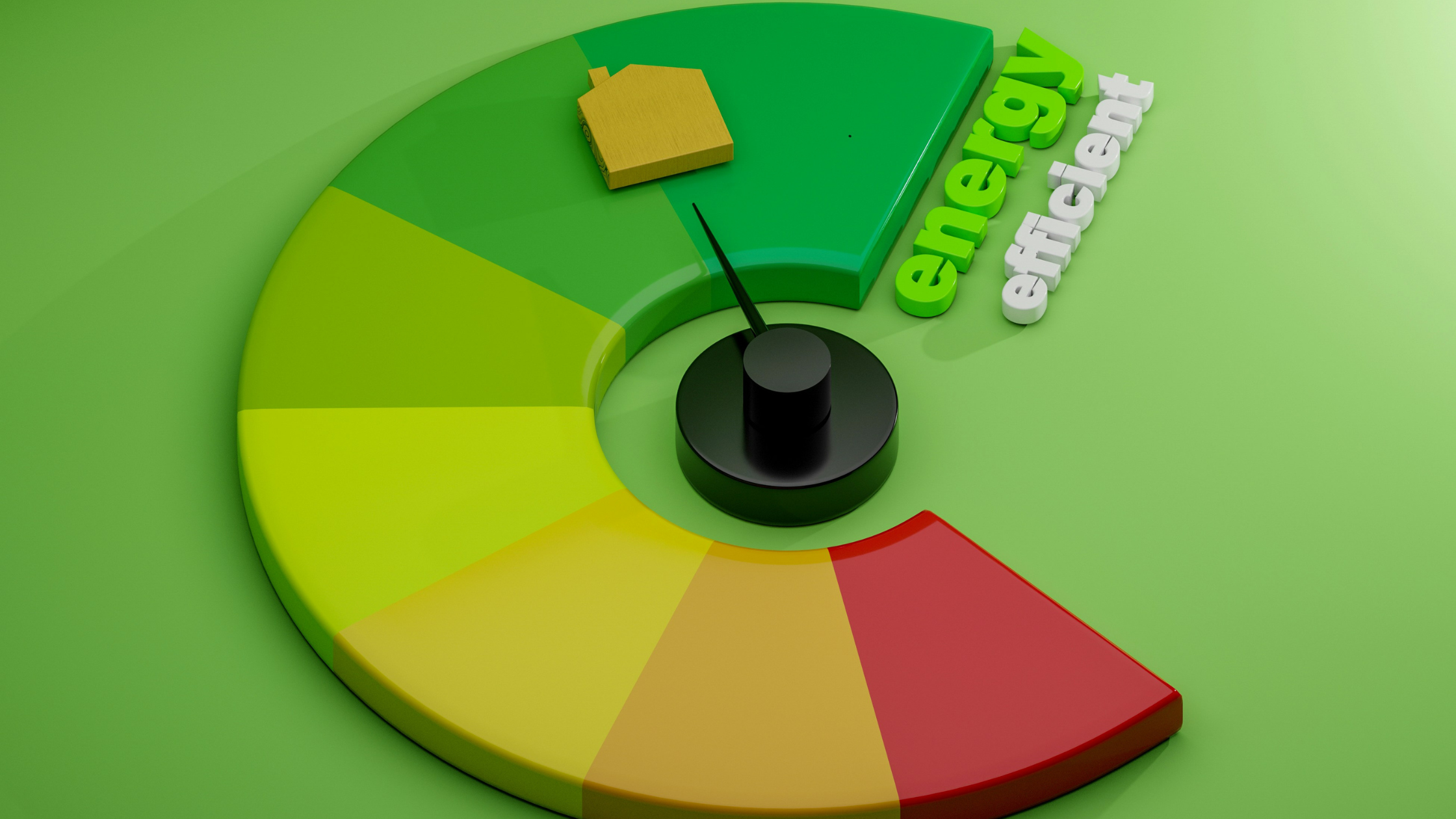
UK energy labels help compare the efficiency of many household appliances. The rescaled system generally runs from A for the most efficient to G for the least efficient, although the appropriate comparison depends on the type and size of appliance.
A large appliance may use more energy overall than a smaller one even if both display the same rating. Look at the consumption information on the label as well as the letter.
The Energy Saving Trust guide to home appliances explains how to use energy labels when comparing products.
Replacing a working appliance purely to obtain a better rating may not always recover the upfront cost. The most useful time to compare efficiency is usually when replacement is already necessary.
9. Keeping your home dangerously cold
Reducing heating can lower an energy bill, but there is a point at which the financial saving comes with risks to health and the condition of the property.
Official cold-weather guidance recommends trying to heat rooms you use regularly, such as the living room and bedroom, to at least 18°C. This is particularly important for older people, those with reduced mobility and anyone with certain health conditions.
Cold, poorly ventilated homes can also contribute to condensation, damp and mould. Government health guidance states that damp and mould can affect the airways, lungs, eyes and skin and can cause serious illness.
If heating your home adequately is unaffordable, the answer is not simply to endure unsafe temperatures. Contact your supplier, council or an independent service such as MoneyHelper to check bill support, benefits, grants and energy-debt options.
You can read the government’s current advice on keeping warm and well.
10. Postponing necessary healthcare
Dental treatment, eye care, prescriptions and other health costs can be difficult to accommodate. But delaying necessary care may allow a manageable problem to become more serious, painful or expensive.
If cost is the obstacle, check whether you qualify for free treatment, help with charges or the NHS Low Income Scheme. Eligibility and charging arrangements differ across England, Scotland, Wales and Northern Ireland.
In England, the NHS Low Income Scheme can help some people with costs including prescriptions, dental treatment, sight tests, glasses and travel for NHS treatment.
Never ignore urgent symptoms because seeking help feels financially inconvenient. Contact the relevant NHS service or a healthcare professional if you are unsure what care is needed.
11. Doing specialist work yourself when it is unsafe or unlawful
DIY can save money when the task is within your ability and mistakes would be easy to correct. Painting a room is very different from altering gas equipment.
Gas businesses and engineers must be on the Gas Safe Register to carry out gas work legally in the UK, the Isle of Man and Guernsey. Electrical and structural work can also be subject to safety and building requirements.
An unsafe repair can create injury, property damage and insurance problems, as well as the cost of putting the work right.
Use the official Gas Safe Register to check a gas engineer. For other specialist work, confirm the relevant qualifications, permissions and regulations rather than assuming an online tutorial is enough.
12. Keeping expensive debt to avoid touching savings
Saving money can feel safe, while using it to clear debt can feel like losing progress. But keeping cash in a low-interest account while paying much higher interest on borrowing can be an expensive arrangement.
For example, £1,000 earning 4% interest would produce approximately £40 over a year before tax. A £1,000 credit-card balance charged at 25% could generate around £250 of interest over a year if the balance remained broadly unchanged. The exact calculation depends on repayments and compounding, but the gap is clear.
This does not mean using every penny of savings immediately. Retaining a small emergency buffer may prevent you from borrowing again when an unexpected cost appears.
Compare the rate you earn with the rate you pay, check for early repayment charges and prioritise any essential bills or debts carrying serious consequences. If you are unsure, free debt advice can help you decide safely.
How can you tell whether something is a false economy?
Begin with the total cost rather than the immediate payment.
Ask how long the option is likely to last, what it costs to operate and what would happen if it failed. Consider whether it protects your ability to work, remain healthy or deal with an emergency.
It is also worth asking whether fear is affecting the calculation. Sometimes the cheaper option genuinely provides enough. At other times, it merely allows you to avoid the discomfort of spending today.
There is no rule that says paying more is wiser. The aim is to recognise when the initial price is only a small part of the financial story.
When is buying cheaply genuinely frugal?
Buying cheaply makes sense when the lower-cost option performs the required job safely, provides acceptable quality and does not create significant additional costs.
Own-brand groceries, second-hand furniture and older technology can all be sensible choices. Paying for a premium brand without receiving a meaningful benefit is no more rational than always choosing the cheapest one.
Good frugality sits between those extremes. It asks what level of quality is required and then looks for the best way to obtain it.
Our guide to the difference between being frugal and being cheap explores how price, value and fairness fit together.
What should you spend more money on?
There is no universal list of products everyone should buy at a premium. Your usage, income, health and priorities matter.
Spending more is easier to justify when an item protects safety, supports your health, is used frequently, helps you earn or is likely to last significantly longer.
It may also be worth paying for reliability when failure would be unusually disruptive. A work laptop has a different role from a decorative household item, even if both happen to cost the same.
Spend more because the additional value is clear, not because a brand has successfully made the expensive option feel virtuous.
Your money personality can affect false-economy decisions
Different motivations can pull people towards different mistakes.
Someone strongly motivated by security may keep replacing things with the cheapest option because a larger payment feels threatening. A person motivated by freedom may underestimate the ongoing costs attached to a purchase. Someone who enjoys optimisation may spend hours researching a saving too small to matter.
Understanding the motivation does not make the decision for you, but it can reveal which costs you tend to notice and which ones you routinely overlook.
The free Money Personality Profiler can help you identify your financial strengths, motivations and potential blind spots in around a minute.
Frequently asked questions
What is a false economy in simple terms?
A false economy is a decision that saves money initially but creates a greater cost later. That cost could involve replacement, repair, interest, wasted time, poor health or increased risk.
Is buying cheap always a false economy?
No. A cheaper product can offer excellent value when it performs well and meets your needs. It becomes a false economy when the lower price is outweighed by poorer quality, shorter life or additional costs.
What are common examples of false economies?
Common examples include repeatedly replacing poor-quality products, cancelling necessary insurance, choosing an unaffordable excess, delaying repairs, buying inefficient appliances and travelling a long distance for a very small saving.
Is bulk buying always cheaper?
No. Bulk buying is only cheaper when the unit price is lower and you use the full quantity. Waste, storage problems and the effect on your immediate budget can remove the saving.
Is it cheaper to pay insurance annually?
It is often cheaper, but not always. Compare the total annual and monthly costs. Paying upfront may become more expensive if it forces you to borrow or leaves you unable to cover essential expenses.
Should I use savings to pay off debt?
It can make financial sense when the debt interest rate is substantially higher than the return on your savings. However, keeping an emergency buffer may be important, and priority debts or early repayment charges can affect the decision.
How do I decide whether paying more is worth it?
Compare expected lifespan, running costs, reliability, safety, frequency of use and the consequences of failure. Pay more when the additional value is credible and useful to you, not simply because the product is marketed as premium.
The bit that matters
Frugality is not measured by how successfully you avoid spending today. It is measured by how well you use your resources over time.
Sometimes the cheaper option is perfectly adequate. Sometimes paying more protects you from replacement, disruption, interest or risk. And sometimes the most expensive mistake is refusing to spend anything at all.
Look beyond the price tag. Include time, running costs, safety, health and the realistic lifespan of what you are buying. The most frugal decision is the one that provides the value you need at the lowest genuine cost.
Sources and further reading
Guidance used in this article includes MoneyHelper’s information about insurance cover and excesses, government advice on keeping warm in cold weather, the Energy Saving Trust’s appliance guidance, information from the Gas Safe Register and the NHS guide to help with healthcare costs.
L
This article provides general information rather than personal financial, medical, legal or safety advice. Costs, eligibility rules and individual risks vary. Seek qualified help before undertaking regulated work, cancelling important insurance or making a decision that could affect your health or safety.