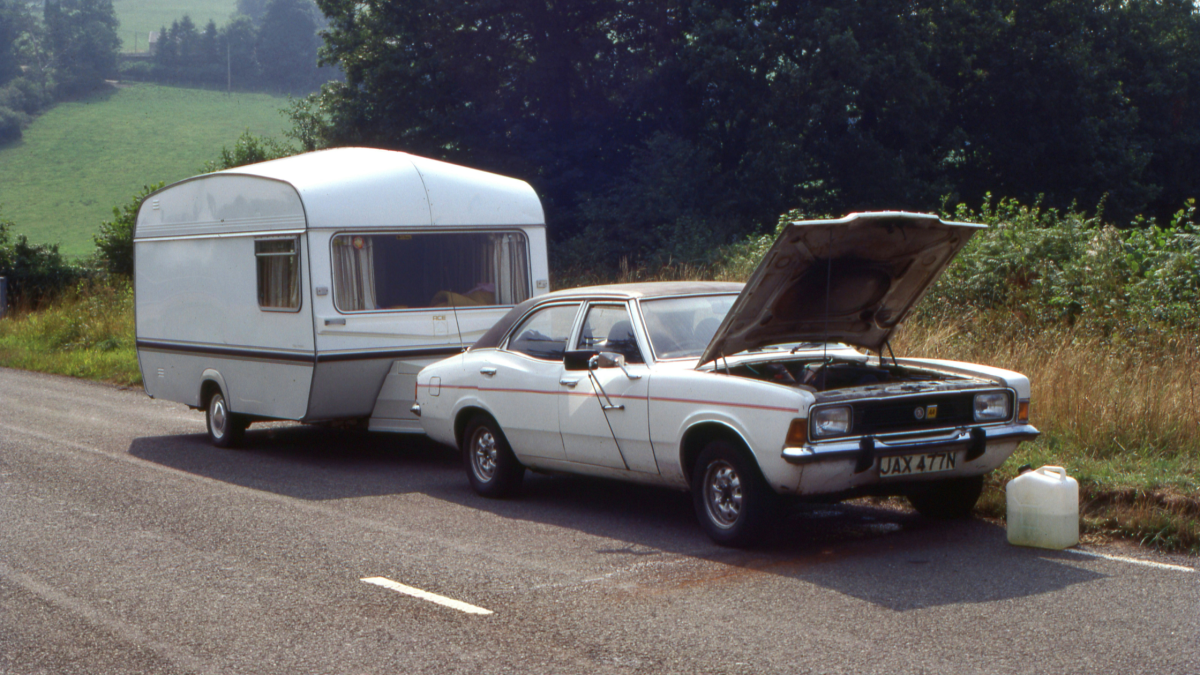

Life is unpredictable — your emergency fund shouldn’t be. Whether it’s a surprise car repair, an unexpected vet bill, or a sudden job loss, having a financial buffer can mean the difference between staying afloat and spiralling into debt.
If you’ve ever wondered how much you actually need in an emergency fund — or how to start one when money already feels tight — this guide is here to help.
Let’s take the fear and fuzziness out of it.
What Is an Emergency Fund (And What Counts as an Emergency)?
An emergency fund is a pot of money set aside to cover unexpected, urgent expenses — things that throw your budget off course and can’t be postponed. It’s not your travel fund or Christmas budget. It’s your break-glass-in-case-of-emergency money.
Common emergency expenses include:
- Losing your job or income stream
- Car breakdowns or essential home repairs
- Unexpected medical or dental bills
- Emergency travel for family illness or bereavement
- Major appliance breakdowns (e.g. fridge, boiler)
What it’s not for:
- Holiday deals
- Gift shopping
- Takeaways on a tight week
- Known bills you forgot to plan for
The clearer you are about what qualifies as an emergency, the easier it is to protect the fund.
The Standard Advice: 3 to 6 Months of Essentials
You’ll often hear the rule of thumb: save 3–6 months of living expenses. But what does that really mean?
We’re not talking about your full salary or lifestyle spending. We’re talking about your bare minimum essentials — the costs you’d need to survive if everything else fell away.
| Expense Type | Monthly Estimate (£) | Notes |
|---|---|---|
| Rent/Mortgage | £X | Core housing cost |
| Utilities & Bills | £X | Gas, electricity, internet |
| Food | £X | Groceries only |
| Transport | £X | Commuting, essential journeys |
| Minimum Debt Payments | £X | Credit cards, loans |
| Insurance | £X | Any required cover |
| Total Essentials | £X | Multiply by 3–6 for your target |
Let’s say your essentials come to £1,200/month:
- 3-month fund = £3,600
- 6-month fund = £7,200
Don’t panic if those numbers feel out of reach. Keep reading — we’ll break it down.
How to Personalise It for Your Life
The “3–6 months” rule isn’t one-size-fits-all. Consider these factors:
- Job security: Is your income reliable or irregular?
- Living arrangements: Do you rent, own, or live with family?
- Dependents: Do you have children or people who rely on your income?
- Health: Do you have ongoing medical needs?
- Self-employed? You may want 6–12 months’ buffer.
Example Scenarios:
- Single renter, steady job → £3,000–£4,500 buffer
- Family of four with mortgage → £8,000–£12,000+ recommended
- Freelancer with unpredictable income → Aim for 6 months minimum
“But I Can’t Even Save £100 Right Now…”
You’re not alone. Many people feel behind on saving — especially with the cost of living as it is.
Here’s the good news: you don’t have to save it all at once.
Start with a micro-goal:
- £100 → covers small emergencies
- £500 → a boiler repair, a vet visit
- £1,000 → a travel emergency or deposit buffer
Tools to Make It Easier:
- Monzo Pots or Starling Spaces: Separate the money visually
- Emma app: Tracks spending patterns and suggests savings opportunities
- Round-ups: Automatically save the change from your purchases
“Emma helped me set a small, automatic savings target — and now I’ve got breathing room.”
Where Should You Keep Your Emergency Fund?
You want your emergency money to be:
- Accessible (within 1–2 working days)
- Safe (FSCS protected)
- Separate from your day-to-day spending
| Option | Pros | Cons |
| Instant-access savings | Easy, no penalties | Lower interest rates |
| Premium Bonds (NS&I) | Chance of tax-free prize wins | No guaranteed returns |
| High-interest current acct | 4–6% interest on small amounts | Usually capped at £1–5k |
💡 Tip: Avoid locking your emergency fund into long-term savings accounts or ISAs — you want flexibility over yield.
How to Build It Without Burning Out
Saving for emergencies is a habit, not a sprint. Here’s how to do it without feeling deprived:
- Automate it: Even £10/week adds up — set up a standing order on payday
- Use windfalls: Birthday gifts, tax refunds, cashback — send a portion to your fund
- Start a savings challenge:
- 1p challenge = £667 in a year
- 52-week challenge = £1,378
- Cut costs temporarily: Pause subscriptions or reduce takeaways to free up savings
Remember: consistency beats intensity.
How to Stay Motivated
It’s hard to stay excited about saving for emergencies — because you hope you’ll never need it. So create small rewards:
- Track your progress visually (e.g. fill-in chart or app tracker)
- Celebrate milestones (£250, £500, £1,000)
- Name your fund something empowering: “Safety Net”, “Freedom Fund”, “Peace Pot”
Final Thoughts: A Safety Net Is a Form of Self-Respect
Your emergency fund isn’t a luxury — it’s a kindness to your future self. It’s the difference between panic and pause when life throws something unexpected at you.
You don’t need to reach the “ideal” amount straight away. Start with what you can. Protect it. Build from there.
You’ve got this.