
Living paycheck to paycheck doesn’t mean you’re bad with money. It means your current income is barely covering your costs—and you’re expected to manage that with zero buffer, zero time, and a rising cost of living.
If that’s you right now, you’re not alone. And you’re not doing anything wrong.
The good news? There are smart, beginner-friendly tools that can help reduce the daily money stress, give you more visibility, and even help you save—even if saving feels impossible.
In this guide, we’ll walk through the best tools to manage money when living paycheck to paycheck, explain how they work in real life, and show how small changes can lead to big relief.
✅ Quick Comparison: Best Tools for Paycheck-to-Paycheck Living
| Tool/App | Best For | Key Features | Cost |
|---|---|---|---|
| Emma | Everyday money tracking | Spending breakdowns, subscription management, automated savings | Free (Premium plans available) |
| Wise | Sending or receiving money internationally | Low-fee currency exchange, real exchange rates, multi-currency accounts | Free account; low transfer fees |
| Banking Apps | Real-time account insights | Balance alerts, spending categories, savings pots | Free |
| Relearning Money Toolkit | Planning without overwhelm | Printable templates, goal prompts, emotional check-ins | Free |
| Google Sheets / Notion Templates | Custom tracking | Flexible, no-frills budgeting and planning | Free |
🔍 What Are Financial Tools—and Why Do They Matter?
Financial tools include apps, templates, and systems designed to help you track, plan, or automate your money management. They’re especially helpful when:
- You’re trying to avoid going into your overdraft
- You want to cancel unused subscriptions
- You’re ready to save, but don’t know how to start
- You’re tired of manually tracking everything
The key? These tools reduce cognitive load. When you’re already stretched thin, even simple reminders or automations can make a huge difference.
And when you’re living on a tight budget, having even slightly more structure can mean fewer overdraft fees, fewer “oops” payments, and more financial breathing room.
💸 1. Emma – Track Spending and Save Without Thinking About It
👉 Try Emma
Emma is one of the most intuitive budgeting tools out there for anyone on a tight income. It connects to your UK bank accounts using secure open banking technology, then automatically tracks:
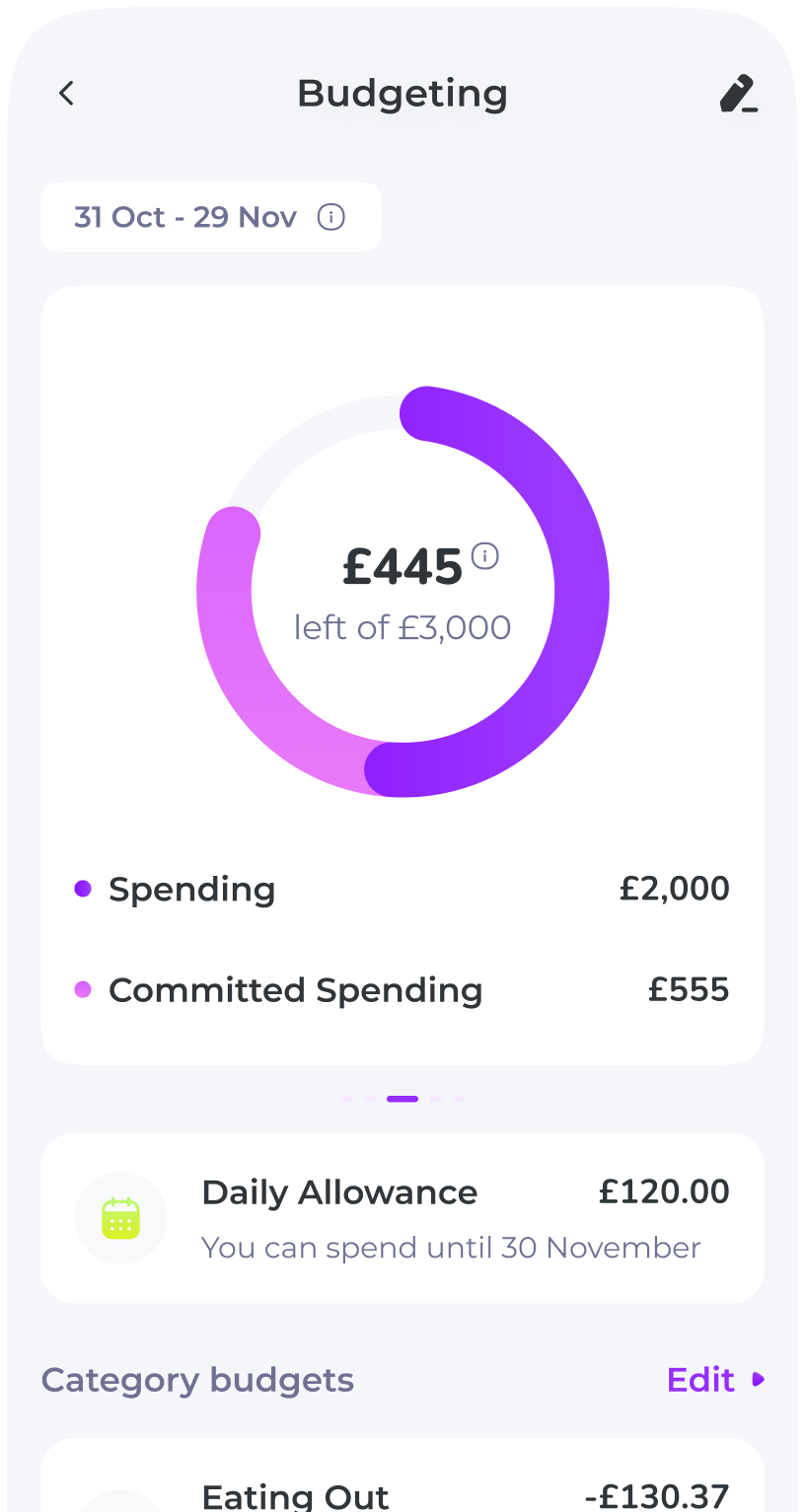
- Your income and expenses
- Where your money is going (in real time)
- Upcoming subscriptions or bills
- Your daily balance across all accounts
You can also set up “Emma Save”, which moves small amounts of money into savings when it spots room in your budget—so you’re saving automatically, without needing to plan in advance.
Why it works: Emma takes away the guesswork. It’s helpful whether you’re trying to stretch your paycheck or just avoid overdrafts by the end of the month.
🧠 Tip: Use Emma to identify one small category to cut (like a £7.99 subscription you forgot about), and redirect that money to savings.
📖 Related: Reverse Budgeting: A Gentler Way to Save Without Tracking Every Penny
🌍 2. Wise – Save on Currency Exchange and Transfers
👉 Use Wise
If you regularly send or receive money across borders—whether it’s to support family, freelance internationally, or travel—Wise is a money-saving essential.
It offers:
- Low-cost international transfers
- Real exchange rates (unlike many traditional banks)
- Multi-currency accounts and cards
- Fast, transparent service
Compared to big bank fees (which can quietly take 3–5%), Wise helps you save more of what you’re sending or receiving. That extra £5–£10 per transfer? It adds up fast when your budget is already tight.
Why it works: More of your money stays with you (or your loved ones)—which means more flexibility in your budget, without needing to earn more.
🏦 3. Your Banking App – Use What You’ve Already Got
Don’t overlook what’s already in your pocket. Many UK banking apps now include features that qualify as powerful money management tools, such as:
- Spending breakdowns by category
- Round-up savings pots (e.g. round £2.60 to £3, save £0.40)
- Bill alerts and balance notifications
Even if you’re not ready to use a third-party budgeting app, your banking app can still help you feel more informed and less reactive.
Why it works: No extra downloads, no learning curve—just a clearer view of your day-to-day cash.
🧠 Want to keep things really simple? Use your banking app to separate your spending into “Bills & Essentials” and “Daily Life.” It gives you quick clarity on what you can safely spend.
📋 4. Relearning Money Toolkit – For Planning That’s Kind, Not Overwhelming
For anyone who prefers low-tech systems—or just wants to step back from screens—the Relearning Money Starter Toolkit is designed to help you budget, reflect, and make decisions without shame.
It includes:
- A simple budget planner
- A money habits tracker
- A weekly reflection worksheet
- Gentle prompts to help you plan even if you feel behind
Why it works: You don’t need to be perfect to make progress. The toolkit gives you space to build awareness without pressure.
💬 Real-Life Example: How It All Comes Together
Imagine this:
You get paid on Friday. You use Emma to check what’s coming out this week (your gym subscription—it’s time to cancel).
You log into your bank app and see you’ve overspent on eating out this month.
You use Wise to send £150 to family abroad, saving £7 compared to your old bank.
Then you sit down with the Relearning Money Toolkit, adjust your plan for next week, and feel—maybe for the first time—like you’re ahead of your money, not just reacting to it.
That’s the power of tools working with your real life.
Final Thoughts: You Don’t Need More Discipline—You Need Better Systems
If you’re living paycheck to paycheck, it’s not a sign that you’re failing. It’s often a sign that your tools, systems, and support haven’t caught up with your needs.
The tools in this guide—Emma, Wise, your banking app, and a simple budget plan—are designed to meet you where you are. Not just to help you “fix” your money, but to help you feel better while doing it.
Start with one. Build slowly. And let your system carry some of the weight.
💌 Want to Start with a Tool That’s Built for Real Life?
Download the free Relearning Money Starter Toolkit
Gentle, shame-free tools for budgeting, planning, and saving—designed for people who want progress, not perfection.