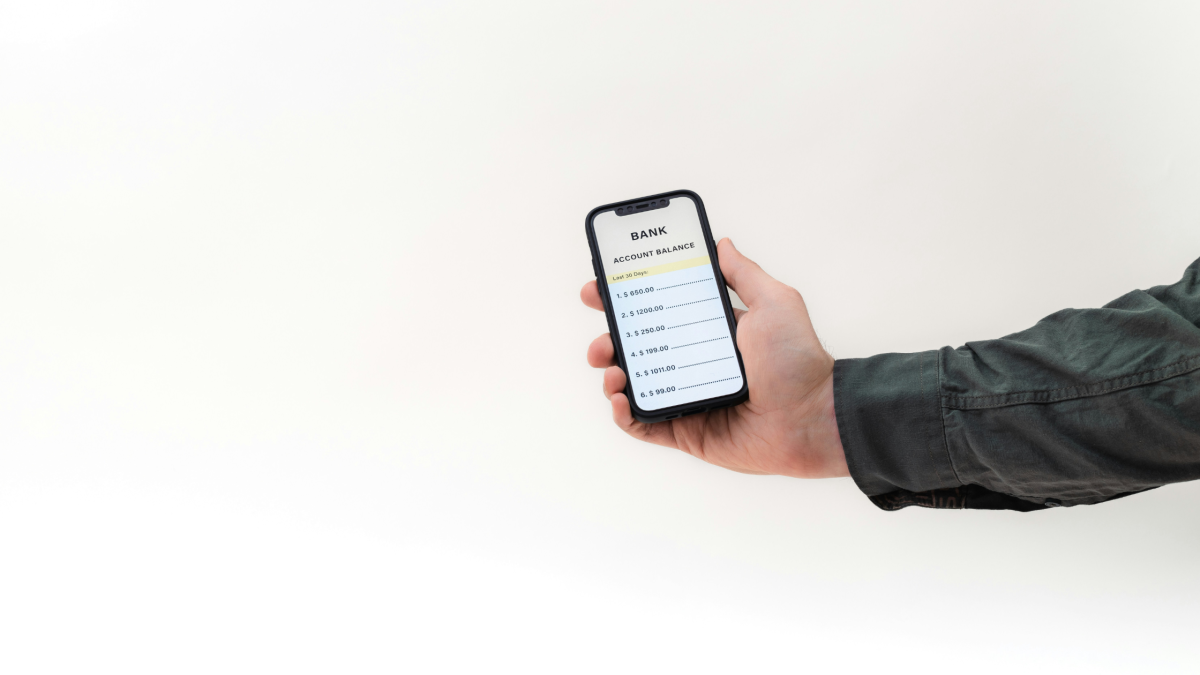

If your overdraft feels like your actual account balance — you’re not alone.
For many people in the UK, especially young adults and those on low to mid incomes, dipping into the overdraft isn’t an occasional emergency move. It’s part of everyday life. A routine survival tactic that brings a mix of short-term relief and long-term anxiety.
If you’ve found yourself budgeting from minus numbers, feeling shame every time you check your balance, or living in a constant loop of “catching up”, this guide is for you.
We’re going to talk about why this cycle is so easy to fall into, what makes it so sticky, and most importantly: how to break out of it. Not with judgement, but with understanding, smart tools, and steps that feel doable — even if money feels tight.
What an Overdraft Actually Is (And Why It Feels So Easy to Lean On)
Types of Overdrafts:
| Type | Features | Risk |
|---|---|---|
| Arranged | Pre-approved buffer (e.g. £500) | Often high interest (up to 39.9% EAR) |
| Unarranged | Not agreed with bank | Penalties, credit score damage |
Banks often market overdrafts as “safety nets” — but they’re high-cost debt dressed up as flexibility.
An arranged overdraft can feel helpful in the moment, but the costs can quietly stack up. Many banks charge interest daily, meaning even a small overdraft can cost you tens of pounds each month.
Signs You’re Caught in an Overdraft Cycle
- You’re in your overdraft within a few days of being paid
- You budget from minus numbers (e.g. “I have -£200 to last me the week”)
- You pay overdraft fees or interest every month
- You feel like you’re constantly catching up, but never ahead
Sound familiar? That’s not a personal failing. It’s a cycle that many fall into because the system is built that way. But it’s possible to interrupt it.
Why Overdraft Reliance Is So Hard to Break
Overdrafts mess with your sense of what you actually have. That “minus” becomes invisible. Your real balance feels like whatever’s in your account — even if that’s borrowed money.
Here’s why it sticks:
- It feels like your real money. If payday lands and you’re still in the red, your brain thinks: “I have £1,500,” even if £500 of that goes straight to covering last month’s overspend.
- Your lifestyle adjusts around it. Spending habits don’t change, because the cycle resets each month.
- Interest makes it harder to climb out. You lose momentum because you’re always a bit behind.
Reframe: This is not a failure. It’s financial system design.
Once you see the system for what it is — profit-driven, normalising short-term borrowing — you can start building a plan that works for you, not just your bank.
Step-by-Step: How to Get Out of Your Overdraft
Step 1: Know Your Limit and Interest Rate
Open your banking app or give your bank a call. How much of an overdraft do you have? What’s the interest rate?
Knowing the numbers makes the problem feel more manageable. It stops the guessing game.
Step 2: Pause Non-Essential Spending
This isn’t about never having fun again. It’s about pressing pause temporarily to get some breathing room.
Cancel a couple of subscriptions, hold off on non-urgent purchases. That saved money is going to help you build a buffer.
Step 3: Budget From Zero, Not Minus
Instead of starting the month at -£500 and working up, use your next paycheque to budget from zero. Pretend the overdraft doesn’t exist. Allocate your income as if you were starting fresh.
Step 4: Build a £100–£200 Buffer
This is the key to staying out of the red. Even a small buffer can stop the slip back into overdraft territory.
Start with tiny wins: round up transactions, sell something unused, put away cashbacks or refunds.
Step 5: Use Tools Like Emma
Apps like Emma can show you exactly when and where you dip into your overdraft.
“Emma helped me see when I dipped into my overdraft — and where I could claw it back.”
Step 6: Consider 0% Overdraft Switches
Some banks (like First Direct or Nationwide) offer current accounts with a 0% overdraft buffer for a fixed period. Use that time to reset without interest piling on.
Other Ways to Reduce Overdraft Costs While You Tackle It
- Call your bank: Ask for a temporary interest freeze or repayment plan.
- Switch accounts: Look for a bank with a 0% overdraft offer.
- Use cashback tools: Apps like TopCashback, Airtime Rewards, or Cheddar can earn you small amounts that add up over time.
- Round-up savings pots: Monzo and Starling let you round up purchases and stash the change. It’s an easy way to start saving without noticing.
Emotional Triggers and Mindset Shifts
Money and shame often go hand-in-hand. Overdraft use can trigger guilt, secrecy, and stress. But shame thrives in silence. Talking about it (even just to yourself) helps dissolve it.
Try asking: “What would I do differently if I weren’t afraid of the number?”
Celebrate tiny progress:
- You stayed out of your overdraft for 3 days? That counts.
- You saved £15 with a cashback app? Win.
- You called your bank to ask for help? Brave.
Final Thoughts: You Deserve to Breathe Financially
Being stuck in your overdraft is not a sign of failure. It’s a sign you’re human, navigating a tough system.
Getting out of the cycle isn’t about being perfect. It’s about giving yourself enough breathing room to feel less anxious, more in control, and more confident month by month.
You’ve already taken the first step by reading this.
Suggested Internal Links
- Budget Starter Template
- Toolkit
- How to Emotionally Cope in a Financial Crunch
- How Much Should I Keep in an Emergency Fund in the UK?
Suggested External Links
- MoneyHelper: Overdrafts explained
- Citizens Advice: Dealing with overdraft debt
- StepChange: Overdraft help
Meta Title: How to Get Out of Your Overdraft in the UK
M