
Dedicated to my friend Saira—thank you for the conversations, courage, and clarity you inspire.
Money is part of life—but for Muslims, it’s also a matter of faith. In the UK, where conventional finance often revolves around interest (riba), gambling (maisir), and ambiguity (gharar), navigating your financial journey as a Muslim can feel isolating or confusing.
This guide is here to change that.
It’s possible to build wealth, protect your family’s future, and achieve your financial goals—all without compromising your Islamic values. Let’s explore how.
Why Faith-Based Financial Guidance Matters
Islam is deeply holistic—and that includes how we earn, spend, save, and grow our money.
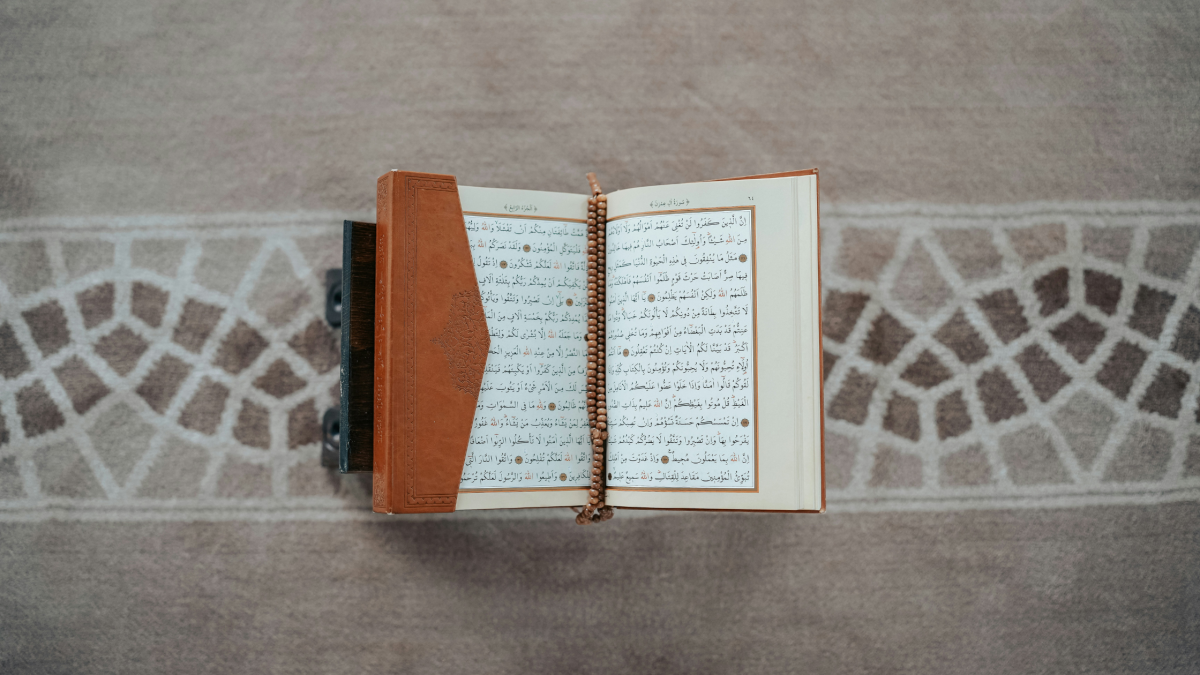
The Quran clearly prohibits riba (interest), warning against its exploitative nature. Yet, many mainstream financial tools—from savings accounts to mortgages—are built on interest-based models.
That leaves many Muslims stuck:
- You want to save and invest.
- You want to own a home.
- You want to plan for the future.
But you don’t want to compromise your deen (faith) to do it.
Most personal finance advice assumes one-size-fits-all. This guide offers an alternative—grounded in your values and UK-friendly.
What Makes Money Management Halal?
Islamic finance is rooted in ethics, balance, and justice. Here are its core principles:
- ❌ No Riba: Avoiding interest-based income, loans, or savings
- ✅ No Haram Earnings: No investments in industries like alcohol, gambling, pork, adult entertainment, or arms
- 🤝 Contracts Must Be Clear and Fair: No excessive risk (gharar), ambiguity, or unjust exploitation
- 🧠 Intention Matters: Financial planning is an act of stewardship (amanah)
- 🌱 Barakah in Wealth: Focus on earning with integrity, spending mindfully, and giving consistently
In practice, halal money management means:
- Earning from permissible sources
- Avoiding high-interest debt and credit cards
- Budgeting with awareness and gratitude
- Prioritising zakat, sadaqah, and family care
Halal Banking and Saving Options in the UK
Yes, they exist—and they’re growing. Several UK banks offer fully Sharia-compliant services:
🏦 Al Rayan Bank
- Offers savings accounts, current accounts, and home purchase plans
- Profit-sharing models instead of interest (Murabaha)
- FCA-regulated and Sharia-certified
🏦 Gatehouse Bank
- Sharia-compliant home finance and savings
- Offers fixed-term deposit accounts
- Uses asset-backed contracts to avoid interest
🏦 UBL UK (United Bank UK)
- Islamic savings options available (check individual product details)
🧠 How Islamic Mortgages Work:
- Based on Ijara (lease-to-own) or Diminishing Musharakah (shared ownership)
- No interest—just agreed profit on asset-backed transactions
- You’re buying a share of the home, gradually increasing your stake
🔗 For more, see: GOV.UK Islamic Finance Overview
Building Wealth Without Riba
Avoiding riba doesn’t mean avoiding growth. In fact, halal wealth-building can be rich in barakah when rooted in discipline, intention, and community benefit.
1. Save Consistently (Without Interest)
- Use Sharia-compliant banks or set up a non-interest-bearing savings pot
- Label your goals: “Hajj fund“, “House deposit“, “Zakat pot“
2. Own Assets, Not Debt
- Prioritise cash savings, halal mortgages, or equity-based models
- Avoid interest-bearing credit cards or overdrafts
3. Start a Micro-Business or Side Hustle
- Service-based, product-based, or online businesses are permissible (as long as they’re halal)
- Great for freelancers, creatives, or those building income around family life
4. Invest Islamically
- More on that below 👇
Halal Investing Platforms (Beginner-Friendly)
You don’t need to avoid investing entirely. Halal investing is real—and increasingly accessible.
🟢 Wahed
- UK-based halal investment platform
- Offers risk-level portfolios with only Sharia-screened stocks and sukuk (Islamic bonds)
- Easy to start with £50+ minimum deposits
🟢 Simply Ethical
- Offers ISAs, pensions, and general investment accounts
- Filters out haram industries and screens companies based on financial ratios
- Good educational resources
🟢 MoneeMint – (currently in waitlist mode)
- Promises ethical and halal investing for younger investors
- Watch for updates as they launch new tools
What to Know:
- All investing carries risk—but halal portfolios are carefully screened
- These platforms aim for long-term growth, not quick returns
- Diversification is allowed (and recommended)
- Most use Sharia supervisory boards for compliance
📎 Pro tip: Check the platform’s Sharia compliance certificate or advisory board before signing up.
How to Budget and Manage Money with Barakah
Money management can be an act of worship.
Here’s how to align your day-to-day budgeting with Islamic values:
- Start with niyyah (intention): Why are you budgeting? What’s your purpose?
- Avoid waste (israf): Cut what doesn’t align with your values
- Budget for giving: Include zakat and sadaqah as core line items
- Be mindful: Track your spending, but without shame
Tools to help:
- Emma
- Not Islamic, but useful for awareness, tracking, and setting goals (e.g. “Zakat fund”)
- Use for clarity—not for financial advice
🔗 Related: How to Define your Financial Priorities
FAQs and Common Concerns
Is investing halal? Yes—when investments are screened for Sharia compliance. Avoid interest-based, unethical, or speculative industries.
Can I use cashback, reward points, or referral bonuses? Scholars differ. Some say yes if it’s not linked to interest; others say give it away in charity. Seek guidance from a qualified scholar.
How do I avoid riba on everyday expenses? Use halal credit alternatives (like prepaid debit), avoid interest-charging overdrafts, and stay within budget.
What if I have an interest-based account already? You can switch. Transfer your savings to a Sharia-compliant account and consult your local imam or scholar on how to deal with past interest.
Final Thought: Building Halal Wealth Is Possible—and Powerful
You don’t have to choose between your faith and your financial future.
Islam encourages financial responsibility, dignity, and planning. You can build a business, own a home, invest, and provide for your family—without compromising your values.
Start small. Start with intention. Trust that barakah follows effort.
🎁 Ready to begin?
- Use Emma to track and budget
- Explore Wahed or Simply Ethical to begin halal investing
- Download our Money Reset Toolkit to start building wealth with purpose