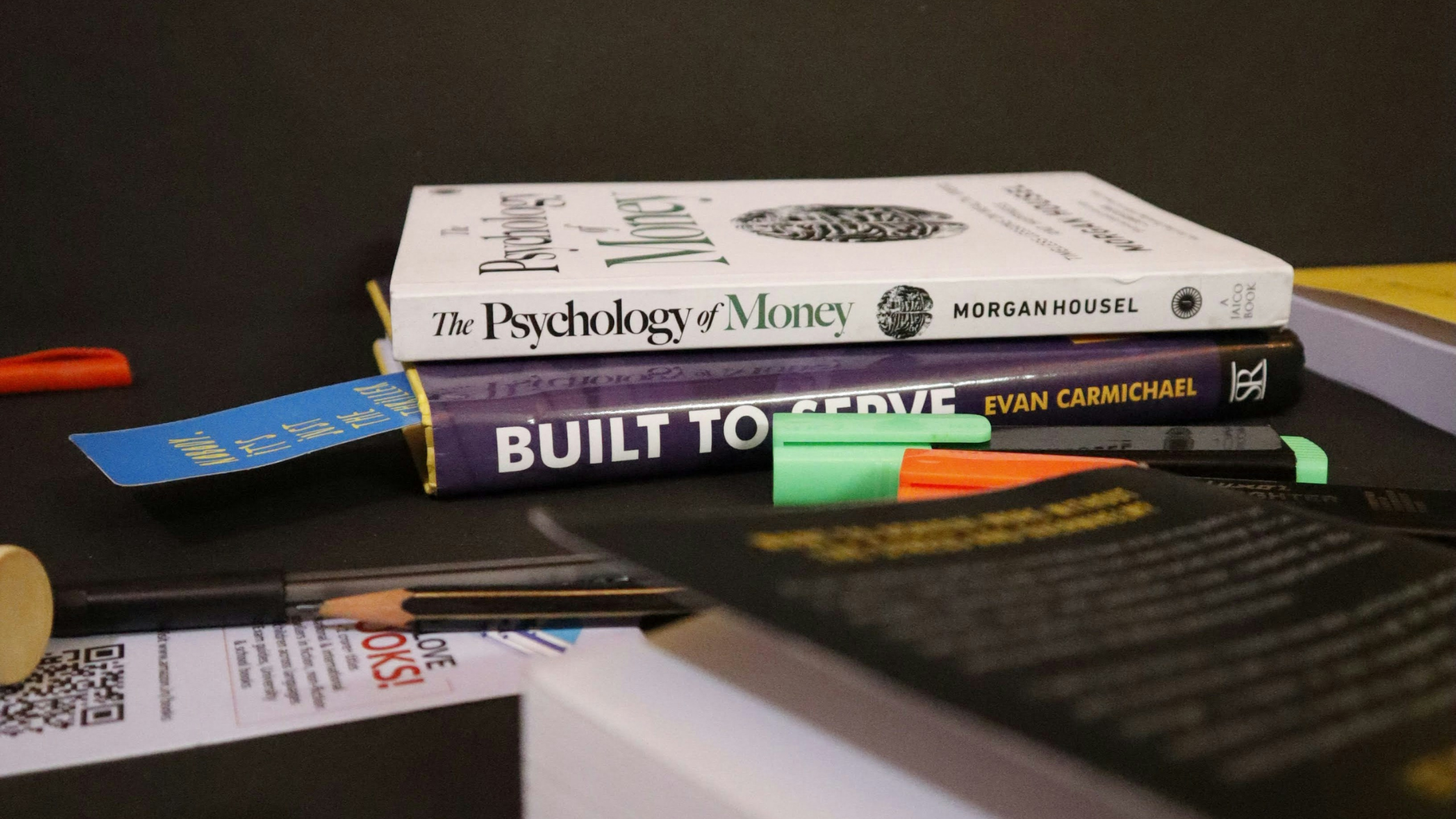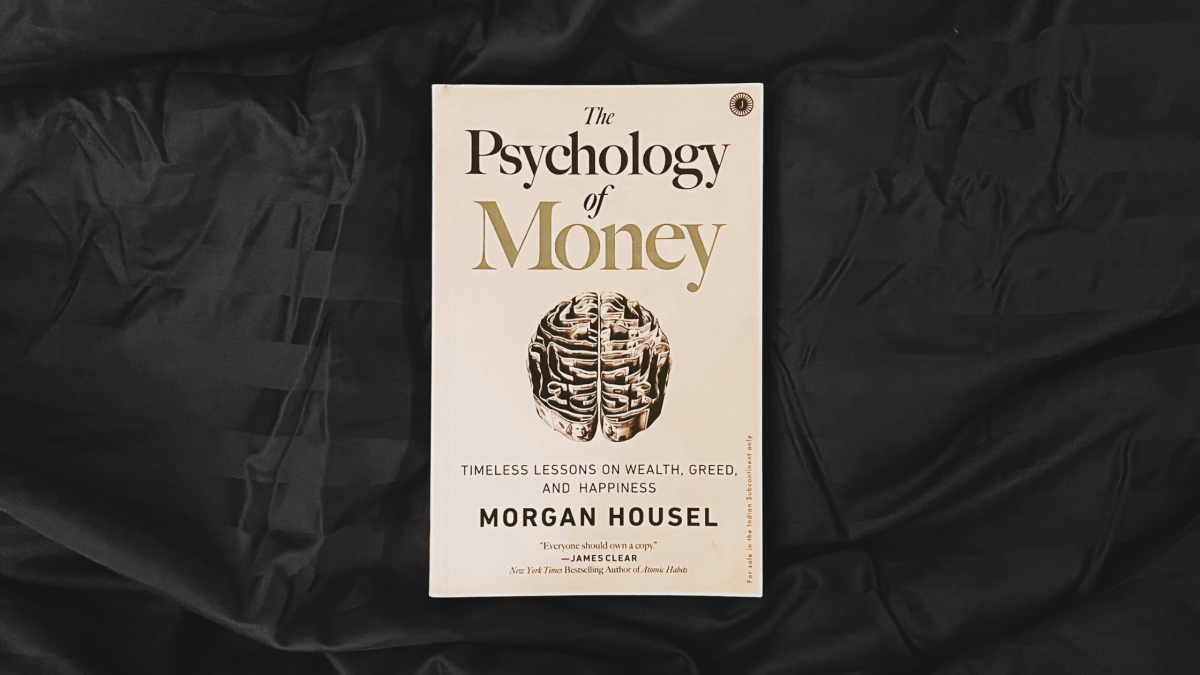

When people ask me what money book changed the way I think—not just about finances, but about myself—I almost always say The Psychology of Money by Morgan Housel.
It’s not a budgeting manual. There are no step-by-step strategies or flashy wealth hacks. What it offers instead is rarer, and maybe more valuable: emotional clarity.
This book explores why we do what we do with money—often irrationally, often emotionally—and how self-awareness is just as important as spreadsheets.
Here are five lessons that stayed with me long after I closed the final page.
Why This Book Resonates
Most money books focus on what you should do.
This one asks: “Why don’t we do what we already know is smart?”
It doesn’t judge. It doesn’t assume we all start from the same place. Instead, it offers stories—of ordinary people, rich people, reckless people—and helps us understand that behaviour, not knowledge, is what shapes our financial lives.
It’s a comfort, a challenge, and a permission slip to stop feeling bad for being human.
Lesson 1: How You Feel About Money Matters More Than What You Know
This one hits hard.
We tend to assume that smart people make smart financial choices. But Housel gently reminds us: being good with money isn’t about IQ—it’s about behaviour. Fear, hope, shame, insecurity—these often drive our decisions more than logic does.
You can know what a pension is and still avoid it because it feels overwhelming.
You can understand compound growth and still not invest because it feels scary.
And that doesn’t make you stupid. It makes you… a person.
Lesson 2: Wealth Is What You Don’t See
There’s a line in the book that says:
“Spending money to show people how much money you have is the fastest way to have less money.”
Housel talks about the difference between being rich and looking rich.
Wealth is often invisible. It’s the money you didn’t spend. The debt you paid off. The emergency fund sitting quietly in a savings account.
A flashy lifestyle might look impressive, but it doesn’t always reflect security or stability.
This was a huge mindset shift for me. It made me proud of the quiet choices I was making.
Lesson 3: Compounding Is the Real Magic
This is one of the few technical lessons in the book—and it’s a big one.
The most powerful force in finance isn’t intelligence or timing—it’s time itself.
Small, consistent actions—saving £25 a month, investing regularly, building a habit—grow exponentially over the years. The earlier you start, the less you need to do.
And if you’ve started later in life? It’s still worth it.
Compounding applies to trust, confidence, learning—not just money.
Lesson 4: Everyone’s Playing a Different Game
This one changed how I think about comparison.
We often look at someone’s spending, investing, or financial choices and feel inadequate. But as Housel explains, they might be playing a totally different game.
Their goals might be short-term. Yours might be long-term.
They might be taking risks you wouldn’t feel comfortable with.
They might be projecting wealth they don’t actually have.
Knowing your own game—and staying in it—is one of the best things you can do for your financial wellbeing.
Lesson 5: “Enough” Is a Superpower
This might be my favourite lesson in the whole book.
In a world that tells us to want more, grow faster, and never settle, The Psychology of Money dares to ask: What if you already have enough?
Not in a guilt-trip kind of way. But in a values-based, emotionally intelligent way.
Enough doesn’t mean settling. It means choosing what’s sustainable. It means protecting peace over profit. It means walking away from decisions that might bring more money—but at the cost of your health, relationships, or freedom.
Final Thought: Money Is Emotional—And That’s Okay
What I love most about this book is that it doesn’t try to separate money from humanity.
It says: you don’t have to be perfect. You just have to be honest.
It gives space for feelings. For stories. For the quiet realisation that you don’t need more knowledge—you need more self-trust.
If you’re tired of advice that feels overwhelming, judgemental, or disconnected, The Psychology of Money might feel like a deep exhale.
💌 Want to Rethink Your Money Story With Kindness?
Download the free Relearning Money Starter Toolkit
Gentle, practical tools to help you reshape your money mindset, build financial confidence, and make decisions that actually feel good.
What can The Psychology of Money teach us? Here are 5 emotionally intelligent takeaways from Morgan Housel’s bestselling book—explained simply and kindly.