
Have you ever opened a personal finance book, read two pages, and immediately felt overwhelmed? Or worse—patronised?
You’re not alone.
So many money books are written by people who seem to have forgotten what it’s like to not understand. They skip context, throw in jargon, and speak with the tone of someone who’s never felt anxious checking their bank balance.
This list is different. These are the books that feel like a wise friend—not a finance bro. They’re gentle, empowering, and genuinely helpful for real people who are still figuring money out.
Why So Many Money Books Miss the Mark
Money is emotional. It’s tangled up with our self-worth, our upbringing, and our sense of safety. But most financial books don’t talk about that. They jump straight into spreadsheets or strategies without first acknowledging the fear, shame, or overwhelm many of us carry.
This list is for anyone who’s ever thought:
- “I’m too behind for this to make sense.”
- “I wish someone would just explain things without making me feel stupid.”
- “I want to feel better about money—but I don’t know where to start.”
What Makes a Money Book Actually Worth Reading?
For us, the best personal finance books do a few things really well:
- They speak clearly and kindly
- They acknowledge real-life messiness—debt, anxiety, uncertainty
- They focus on emotional intelligence as much as practical advice
- They empower without guilt-tripping
These are the ones that meet you where you are.
The Shortlist: Books That Actually Help (and How)
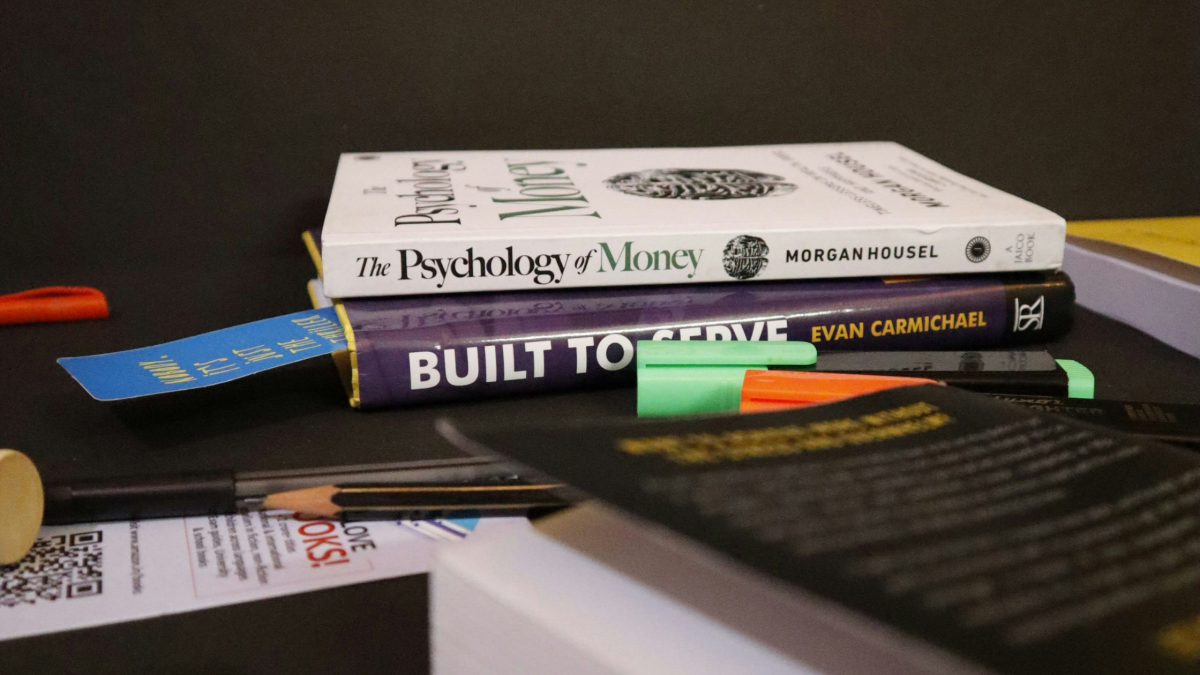
1. The Psychology of Money by Morgan Housel
What it’s about: Why we behave the way we do with money
Tone: Calm, thoughtful, story-based
Why it’s great: It reminds you that being “bad with money” is usually about emotion, not education. And that’s something you can gently change.
2. It’s Not About the Money by Catherine Morgan
What it’s about: Healing your emotional relationship with money
Tone: Gentle, trauma-informed, empowering
Why it’s great: Catherine is a financial coach who really gets the emotional weight many people carry. This book is especially good if money triggers shame, fear, or past experiences.
3. The Financial Wellbeing Book by Chris Budd
What it’s about: Redefining wealth as wellbeing, not just wealth
Tone: Reassuring, holistic, values-led
Why it’s great: Instead of just focusing on how to grow your money, it asks what you want money to do for your life. A rare blend of purpose and practicality.
4. Broke Millennial by Erin Lowry
What it’s about: Beginner-friendly personal finance with humour
Tone: Friendly, relatable, no-fluff
Why it’s great: Erin’s tone feels like chatting with a clever mate at the pub. She covers everything from budgeting to investing without making you feel like you’ve failed already.
5. Money: A User’s Guide by Laura Whateley
What it’s about: A comprehensive, UK-focused money guide
Tone: Calm, practical, non-judgmental
Why it’s great: This is the book we wish we’d received at school. From credit cards to pensions, it explains real-life stuff clearly—especially useful if you live in the UK.
6. Open Up by Alex Holder
What it’s about: Breaking the silence around money and relationships
Tone: Honest, story-driven, modern
Why it’s great: If you’ve ever struggled to talk about money with friends, partners, or colleagues—this is your book. It’s about vulnerability, money shame, and the courage to be transparent.
Reading Can Be a Form of Financial Self-Care
Sometimes financial education feels like another thing on the to-do list. But it doesn’t have to. Reading one chapter—even one page—of a book that gets you is a powerful act of self-trust.
💌 Want a Bit More Support While You Read?
Download the free Relearning Money Starter Toolkit
Gentle, practical tools to help you build confidence, clarity, and momentum—so your learning doesn’t just stay on the page, it becomes part of your everyday life.