
When we hear words like “tariffs” or “trade policy,” most of us switch off. It sounds like something that affects businesses or politicians—not everyday people.
But here’s the truth: tariffs affect your weekly shop, your wardrobe, your tech upgrades—and your bank balance.
And right now, as new tariffs roll out in the UK, many of us are already feeling the impact. Even if we don’t know exactly why prices are rising, we’re noticing the squeeze.
This post is here to make sense of it all. No jargon. No panic. Just clear information and gentle steps you can take to stay steady—even when the cost of living climbs.
What Are Tariffs (And Why Are They Rising)?
Let’s keep it simple.
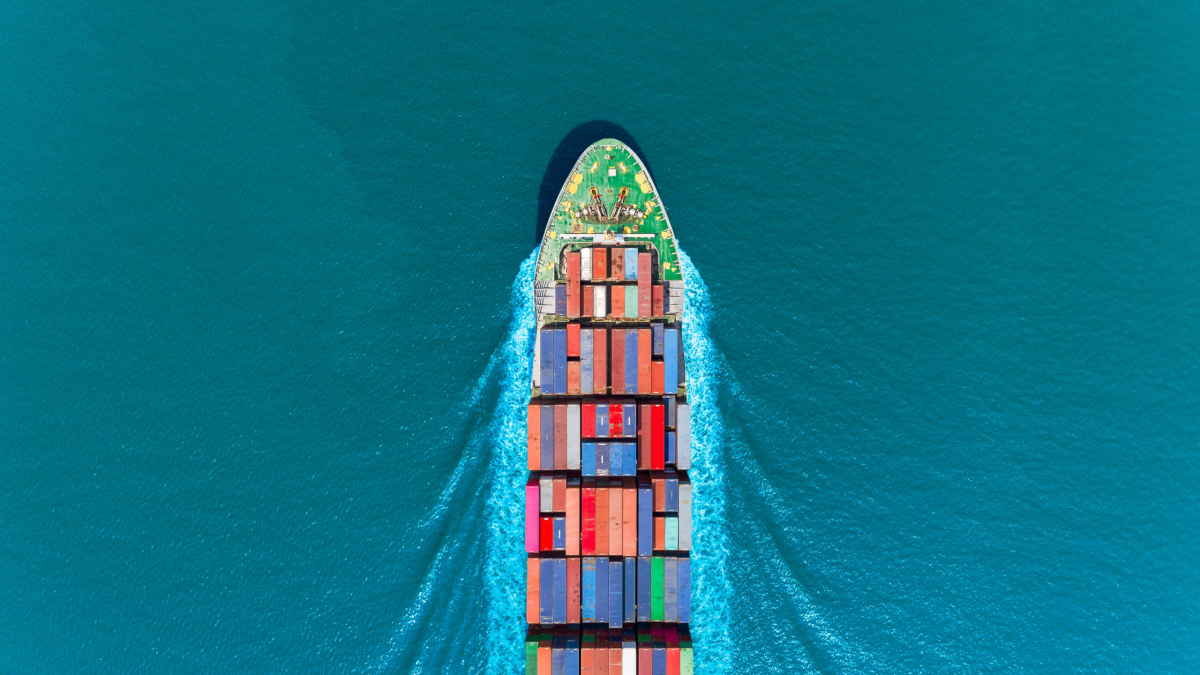
Tariffs are extra taxes placed on goods that are imported from other countries.
So, if the UK brings in coffee from Brazil or electronics from China, the government can charge a tariff (or import tax) on those products.
Why? Sometimes it’s to:
- Protect local businesses
- Respond to global trade changes or negotiations
- Raise revenue
The result? Importing certain goods becomes more expensive.
And when businesses pay more, they often pass those costs onto us—the consumers.
Recently, the UK has introduced or adjusted tariffs on a number of goods. That’s why you might have noticed some everyday items quietly becoming more expensive.
How Rising Tariffs Affect Everyday Prices
The connection between tariffs and your wallet isn’t always obvious—but it’s there.
When it costs more for businesses to import goods, those costs often trickle down to:
- Grocery bills
- Online shopping
- High street prices
- Shipping or delivery charges
You might not see a big change overnight. But over time, the effects add up—especially in areas like:
- Food and drink (particularly imported items like coffee, olive oil, cheese, wine)
- Clothing and shoes (especially from non-UK/EU brands)
- Electronics and appliances
- Household goods or DIY supplies
What You Might Notice as a Shopper
Tariff increases don’t always show up as a big price hike on a label. Often, the changes are subtle:
- Shrinkflation: products stay the same price but get smaller (hello, half-empty biscuit packs)
- Fewer deals: loyalty offers and multibuys become rarer
- Delivery costs creeping up: online orders feel slightly less “worth it”
- Imported brands getting pricier: your go-to items might feel just out of budget
These little shifts can make sticking to your usual budget feel unexpectedly hard.
What You Can Do to Stay in Control
You can’t change trade policy—but you can adjust your approach with care and awareness. Here’s how:
1. Swap to Local or Tariff-Free Alternatives
Look for UK-grown or EU-produced goods, which may be subject to lower or no tariffs.
Farmer’s markets, local brands, or supermarket own-labels can often offer better value.
2. Revisit Your Grocery or Essentials Budget
If your usual £60 shop is creeping up to £70, you’re not imagining it.
It might be time to adjust your expectations, reduce non-essentials, or try a flexible budget approach.
3. Build or Top Up Your Emergency Buffer
Even saving £5 a week can help create a buffer for rising bills or surprise costs.
It’s not about “being ready for everything”—just giving yourself a little more room to breathe.
4. Use Tools That Help You Track Gently
Apps like Emma, Snoop, or MoneyDashboard can help you spot price trends, flag subscription changes, and make proactive choices without spreadsheets.
Sometimes, awareness is the win.
Tariffs May Be Out of Your Control—But Your Response Isn’t
You don’t need to become an expert in economics to take care of yourself financially.
What you can do is:
- Notice what’s changing
- Make small adjustments
- Know you’re not failing—you’re adapting to a changing landscape
Your finances don’t have to be perfect to be resilient.
💌 Want Help Staying Grounded Through Rising Costs?
Download the free Relearning Money Starter Toolkit
Includes gentle budgeting tools, a savings starter guide, and a calm check-in process to help you navigate change—your way.