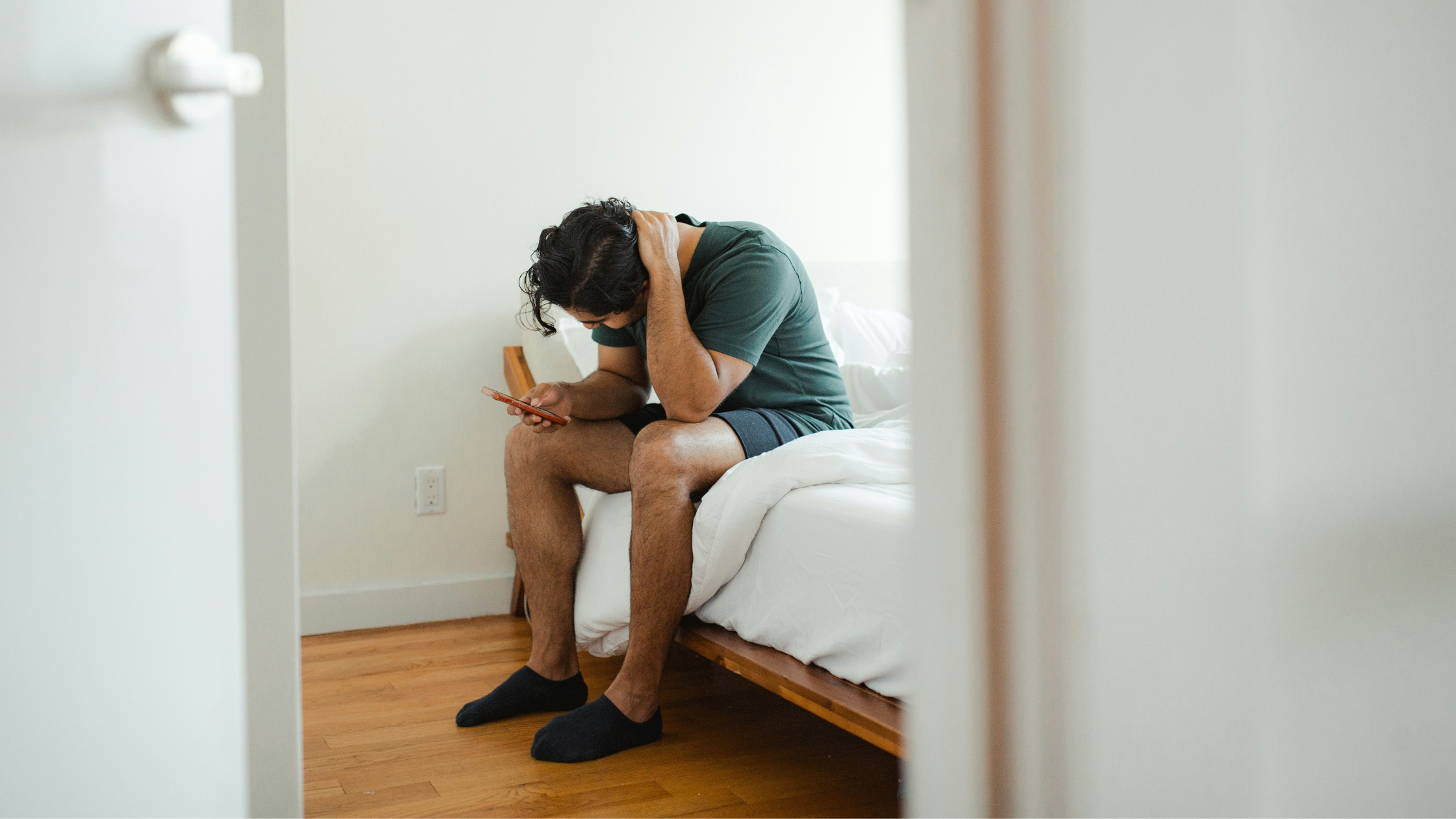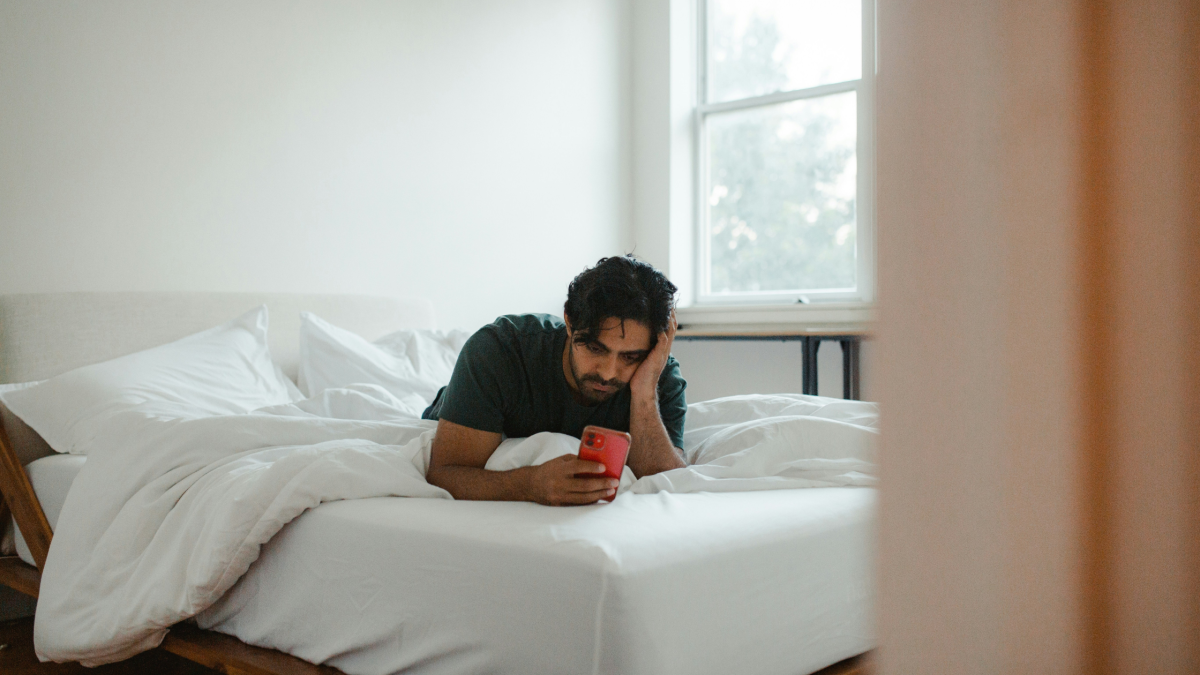

Even spending £5 used to make me feel sick with guilt.
I’d walk into a shop, buy a coffee or a pair of socks, and immediately second-guess the decision. “Do I really need this? Should I have saved that money? What if I regret it later?” The guilt would hit instantly, followed by shame and a spiral of overthinking.
So if you’re wondering whether it’s normal to feel anxious about spending money, let me answer clearly:
Yes. It’s very common. And it doesn’t mean there’s something wrong with you.
This post is here to help you understand why money anxiety happens, where it comes from, and how to start gently easing it. We go deeper than just tips — this is a trauma-informed, emotionally aware guide that blends psychology, financial clarity, and real-life experience.
Yes — Money Anxiety Is Incredibly Common
If you feel fear, guilt, or tension around spending money (even when you technically can afford something), you’re not alone.
According to the Money and Mental Health Policy Institute, financial stress is one of the leading causes of anxiety in the UK. A 2023 report found that over a third of UK adults feel anxious or distressed when thinking about their finances, and that emotional reactions to money are even more common than most realise.
Importantly, this stress isn’t always about not having money. You can be financially stable and still feel anxious about spending. Because money isn’t just maths. It’s memory, meaning, identity, and survival instinct.
Where This Feeling Often Comes From
Understanding the root of your money anxiety can help loosen its grip. Here are some of the most common contributing factors:
1. Growing up with scarcity or unpredictability
If you grew up hearing “we can’t afford that,” or watching adults stress about money, your nervous system may now associate spending with threat or instability.
2. Shame from past mistakes
Debt, overspending, or financial instability in the past can leave emotional residue. Even when your situation improves, the fear remains.
3. Cultural or familial beliefs
Some families treat money as taboo, while others equate spending with selfishness or irresponsibility. These beliefs can live deep in the background.
4. Control as a coping mechanism
When life feels uncertain, holding tightly to money can feel like holding onto safety. Spending disrupts that illusion of control.
The Spending Guilt Loop (And How to Break It)
Money anxiety often plays out in a pattern we call the Spending Guilt Loop:
➡️ Trigger: You spend money (even a small amount).
➡️ Thought spiral: “Should I have done that? What if I need that money later?” ➡️ Guilt: You feel selfish, irresponsible, or impulsive. ➡️ Shame: You label yourself as bad with money. ➡️ Avoidance: You try not to look at your bank account or shut down future spending.
To disrupt this cycle, start with gentle awareness.
Instead of forcing yourself to spend differently, start by noticing your thoughts and feelings. You don’t have to act on them. Just observe.
Tools like Emma help here. By simply showing you what you’re spending (without scolding you for it), they build trust with your money again. You begin to see patterns, not problems.
What Helped Me Feel Less Anxious Over Time
Everyone’s experience is different, but here’s what helped me most:
Track, Don’t Judge
For two weeks, log every purchase. Not to change your behaviour, but to learn your patterns. This creates separation between your spending and your shame.
Create a “Safe-to-Spend” Number
Even £20 a week, if intentionally set aside, can give you permission to spend without guilt. This creates a controlled environment for practising safe spending.
Use Visual Separation
Apps like Monzo (via Pots) or Wise let you compartmentalise your money. Seeing your “food” money separately from rent or savings helps you feel more secure.
Build Buffer Zones
Having a small emergency fund or a buffer in your account can dramatically reduce guilt. You’re no longer spending your last pound.
Reframe Spending as Aligned Action
Buying food when you’re exhausted isn’t a failure. It’s care. Spending money on therapy, books, hobbies — these aren’t indulgences. They’re values in action.
Practise Micro-Spending Without Guilt
Intentionally buy one small thing each week. A snack, a plant, a magazine. Then pause. What comes up? Notice, name, and soothe. You’re building tolerance.
Create a Spending Ritual That Feels Safe
If money always triggers tension, try ritualising the moment of spending.
You could try:
- Taking three slow breaths before tapping your card
- Asking: “Does this support how I want to feel this week?”
- Using Emma to review spending by category — with no red Xs or targets
Why this works: Rituals signal safety. They anchor intention. They slow the nervous system.
And most importantly, they transform a moment of anxiety into a moment of self-trust.
When to Get Extra Support
If your anxiety around money starts affecting your day-to-day life, your mental health, or your relationships, you are not weak — you’re human.
Support is available:
- Mind UK offers mental health resources and referrals.
- StepChange provides free, confidential debt advice.
- MoneyHelper shares tools for money + mental health.
- Therapists trained in financial trauma can help untangle deeper layers.
Final Thoughts: It’s Not Just You — and It’s Not Forever
Feeling anxious about spending is common, especially in a culture that both glorifies spending and shames people for not saving enough.
But you don’t have to stay stuck.
By understanding your emotional money story, building gentle awareness, and adding supportive tools, you can rewrite the narrative. Spending can become intentional. Grounded. Even joyful.
You don’t have to spend perfectly. You don’t have to feel confident every time. But you do deserve a life where money doesn’t rule your emotions.
Start where you are. Use what helps. Let the rest go.