

In an age where wealth is often measured in Instagram followers, luxury holidays, and startup exits, the story of Ronald Read offers something radically different. Read wasn’t an entrepreneur, influencer, or tech genius. He was a janitor and a gas station attendant. He wore flannel shirts, drove a second-hand car, and quietly swept floors well into his 70s. And when he died in 2014, he left behind a fortune worth $8 million.
His story stunned the world. How could someone with such a modest income accumulate that much wealth? And more importantly: what can we learn from him?
A Life of Simplicity, Not Scarcity
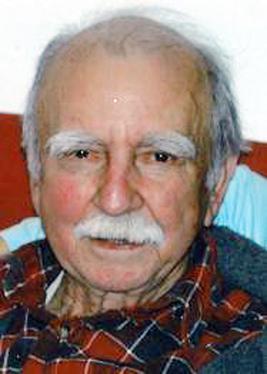
Ronald Read was born in 1921 in rural Vermont. He served in World War II, came home, got a job at a gas station, and later worked as a janitor at a local department store. He wasn’t flashy. In fact, many of his neighbours didn’t know much about him at all.
What they did know was that he was kind, polite, and lived simply. He didn’t eat out much. He didn’t buy new clothes unless he had to. He read the newspaper every morning. And he was an avid library user — not just for fiction, but to read about companies and the stock market.
Read lived modestly, but never miserably. He wasn’t in a state of deprivation; he simply didn’t feel the need to perform wealth. And that’s where the quiet magic begins.
The Power of Patience and Compound Growth
Ronald Read didn’t win the lottery or strike gold on a tech stock. He consistently invested in dividend-paying, blue-chip stocks like Procter & Gamble and Johnson & Johnson. He held them for decades, reinvested the dividends, and let time do the heavy lifting.
This is the part we tend to overlook when it comes to wealth: time is a bigger lever than income.
What Read understood, intuitively or by observation, was that small, consistent investments, paired with time and patience, can grow into something extraordinary. He wasn’t chasing market trends. He wasn’t day trading. He just believed in steady businesses, and he stuck with them.
It sounds too simple. But that’s the point. Wealth doesn’t have to be complicated to be effective.
What Ronald Read Didn’t Do (That Most of Us Try To)
He didn’t try to “beat” the market.
He didn’t look rich.
He didn’t check his net worth every week.
He didn’t buy things to signal success.
Most of us, understandably, feel the pressure to do all of these things. We’re taught that success looks like abundance you can see. But Ronald Read’s story offers a quieter kind of confidence. One rooted not in what others saw, but in what he built slowly and intentionally.
What This Means For Us
Ronald Read’s story isn’t a blueprint. He lived in a different time, with different economic conditions. But his approach holds timeless lessons:
1. You don’t need a high income to build wealth
You need margin. The ability to consistently save or invest something — even if it’s small. Read invested what he could, and never stopped.
2. Wealth is what you don’t see
It’s not the flashy car or the designer bag. It’s the quiet discipline of living below your means, and the long game of letting your money grow.
3. Time > Timing
Ronald Read didn’t “time the market.” He gave his money time in the market. That made all the difference.
4. Simplicity wins
He wasn’t a finance bro. He didn’t spend his life watching stock charts. He picked solid companies and held on.
Why Stories Like This Matter
In a world obsessed with quick wins and algorithm-driven advice, Ronald Read is a reminder that financial success can look completely ordinary on the outside.
His story challenges the belief that wealth must be complicated, or that it’s only available to a privileged few. It invites us to rethink our assumptions about what “wealthy” looks like, and who gets to be rich.
And perhaps most importantly, it shows us that you don’t need to be loud to build a legacy.
Final Thought: You Don’t Have to Perform Wealth to Build It
Here’s what I wish someone told me: You can be the quietest person in the room and still be building something extraordinary.
You don’t have to know everything. You don’t have to get rich quick. You just have to start, stay steady, and trust that small steps compound.
S